Korean Buddhist temples
Buddhist temples are an important part of the Korean landscape. This article gives a brief overview of Korean Buddhism, then describes some of the more important temples in Korea. Most Korean temples have names ending in -sa (사, 寺), which means "temple" in Sino-Korean.
| Part of a series on |
| Buddhism |
|---|
 |
|

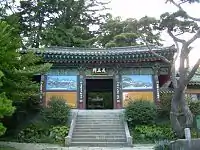
Many temples, like Sudeoksa, offer visitors a Temple Stay program.[1]
Background
A distinctive form of Buddhism evolved in Korea. This was facilitated by the geographical location and cultural conditions. Buddhism first arrived in Korea in 372 in Goguryeo. In 374 the influential Han Chinese monk Ado arrived in the kingdom and inspired King Sosurim of Goguryeo the following year. The first two temples Seongmunsa and Ilbullansa were built in 375 on the order of the king. Buddhism soon became the national religion of Goguryeo.
With the advent of Taoism in 624 the rulers began to suppress Buddhism and its importance quickly declined. The Baekje Kingdom, on the other hand, flourished under the influence of Buddhism. In 552 Buddhist scriptures were sent to Japan. This eventually led to the establishment of Buddhism in Japan.
In Silla, Buddhism was important, too. It flourished during the reign of Jinheung of Silla (540 to 576). Heungnyunsa was built, where any commoner could become a monk. The study of scriptures was greatly highlighted. For about 250 years Buddhism thrived in Later Silla.
Buddhism was admired by Wang Geon, who was enthroned as Taejo of Goryeo. Throughout the country pagodas and other Buddhist structures were built.
In late Goryeo, Buddhism became linked with corruption of the regime. A great number of monks were involved in politics. Bit by bit anti-Buddhist sentiments grew, leading to chaos which was ended by the establishment of Joseon. Taejo of Joseon himself was a devout Buddhist, but the influence of monks was reduced. At times monks were treated as outcasts, but generally there was no hindrance to their practising. Buddhist heritage can be found all over the country in the form of temples, pagodas, sculptures, paintings, handicrafts and buildings.
Typical Layout
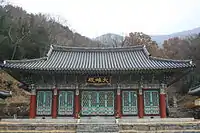
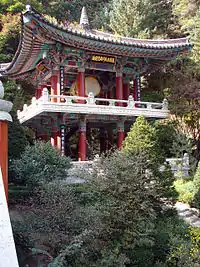
A typical Korean temple consists of the following elements:[2]
- Iljumun (일주문, 一柱門) - One pillar gate found at the entrance to temple grounds
- Sacheonwangmun (사천왕문, 四天王門), also Cheonwangmun - Gate of the Four Heavenly Kings, to mark the entrance of the temple's boundaries
- Beopdang (법당, 法堂) - Dharma hall, used for lectures and sermons
- Monastic quarters
- Jonggo (종고, 鐘鼓) - bell tower
- Daeungjeon (대웅전, 大雄殿) - main shrine hall housing the temple's main Buddha images
- Pagoda
- Myeongbujeon (명부전, 冥府殿) - judgment hall, housing an image of the bodhisattva Kshitigarbha (지장, 地藏) and depictions of the Buddhist hell
- Nahanjeon (나한전, 羅漢殿) - Hall of the Arhats
- Sansingak (산신각, 山神閣) - a shamanic shrine dedicated to the mountain god Sanshin (산신, 山神), who can be depicted as both a male or a female.[3] Sometimes called chilseong-gak (칠성각, 七星閣) or samseong-gak (삼성각, 三星閣), this shrine is usually found behind the main shrine hall.
- Hermitage
North Korea
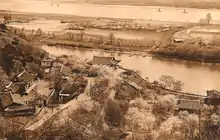
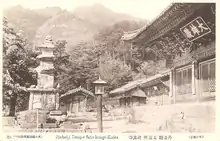
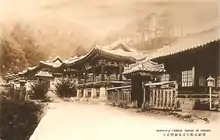
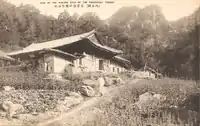
It is reported that many temples have been taken over by the state. Once the government controls these buildings, they are used mainly as museums of ancient Korean traditions. A few temples are still in use and they are considered National Treasures. Though few temples in large cities survived the US carpet bombings of the Korean War, many still survive in rural areas, and some of the more famous, large temples destroyed have since been rebuilt (such as the Ryongtongsa and Singyesa). All in all, there are 300 temples,[4] but only in a few are religious services permitted. In the list that follows, temples marked with a "×" were destroyed during the Korean War or no longer exist for other reasons; temples marked with an "*" have been rebuilt.
South Korea
There are about 900 traditional Buddhist temples in South Korea, out of about 20,000 Buddhist temples in total.[5]
Notable temples in both Koreas
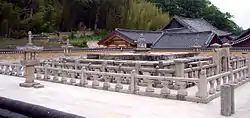
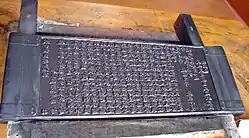
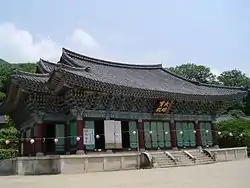
The following list is given by provinces (SK=South Korea, NK=North Korea), but it also can be sorted by Romanized or Korean names. Some Korean names, and founding dates are to be completed (the founding date applies to the location, even if none of the original structures survive). Recommended policy: no new entries, except from temples having their own English page in Wikipedia.
| Province | Temple | Location | Hangul | Hanja | Founded |
|---|---|---|---|---|---|
| SK Seoul | Gyeongguksa | 753 Jeongneung-dong, Jongno-gu | 경국사 | 慶國寺 | 1325 |
| SK Seoul | Gwaneumsa | 관음사 | 觀音寺 | ||
| SK Seoul | Doseonsa | Bukhansan : 264 Ui-dong, Gangbuk-gu | 도선사 | 道詵寺 | 862 |
| SK Seoul | Bongeunsa | Samseong-dong, Gangnam-gu | 봉은사 | 奉恩寺 | 794 |
| SK Seoul | Bongwonsa | Bongwon-dong, Seodaemun-gu | 봉원사 | 奉元寺 | 889 |
| SK Seoul | Yeonghwasa | 영화사 | 永華寺 | ||
| SK Seoul | Jogyesa | Gyeonji-dong, Jongno-gu | 조계사 | 曹溪寺 | 1395 & 1910 |
| SK Seoul | Jingwansa | 진관사 | 津寬寺 | ||
| SK Gyeonggi | Bomunsa | ||||
| SK Gyeonggi | Jeondeungsa | 전등사 | 傳燈寺 | ||
| SK Gyeonggi | Bongnyeongsa | ||||
| SK Gyeonggi | Bongseonsa | 봉선사 | 奉先寺 | 969 | |
| SK Gyeonggi | Silleuksa | Yeoju-gun | 신륵사 | 神勒寺 | 580 |
| SK Gyeonggi | Yeonjuam | ||||
| SK Gyeonggi | Yongjusa | Hwasan, Taean-eup, Hwaseong, Gyeonggi-si | 용주사 | 龍珠寺 | 854 |
| SK Gyeonggi | Jajaeam | ||||
| SK Gangwon | Baekdamsa | near Seoraksan, Inje-gun | 백담사 | 百潭寺 | 650 circa |
| SK Gangwon | SK Guryongsa | ||||
| SK Gangwon | Naksansa | 낙산사 | 洛山寺 | 671 | |
| SK Gangwon | Deungmyeong-nakgasa | ||||
| SK Gangwon | Samhwasa | 삼화사 | 三和寺 | ||
| SK Gangwon | Sinheungsa | Seoraksan, Sokcho-si | 신흥사(향성사) | 神興寺(香城寺) | 650 circa |
| SK Gangwon | Oseam | Seoraksan | 오세암 | 五歲庵 | 643 |
| SK Gangwon | Woljeongsa | Odaesan, Pyeongchang-gun | 월정사 | 月精寺 | 643 |
| SK Gangwon | Cheongpyeongsa | ||||
| SK North Chungcheong | Beopjusa | Songnisan, Naesongni-myeon, Boeun-gun | 법주사 | 法住寺 | 553 |
| SK North Chungcheong | Guinsa | Sobaeksan, Danyang County-gun | 구인사 | 救仁寺 | 1945 |
| SK South Chungcheong | Magoksa | Gongju-si | 마곡사 | 麻谷寺 | 640 |
| SK South Chungcheong | Sudeoksa | Deoksungsan, Deoksan-myeon, Yesan-gun | 수덕사 | 修德寺 | 1308 |
| SK North Gyeongsang | Donghwasa | Palgongsan, Dohak-dong, Dong-gu, Daegu | 동화사 | 桐華寺 | 493 and 832 |
| SK North Gyeongsang | Pagyesa | 파계사 | 把溪寺 | ||
| SK North Gyeongsang | Bogyeongsa | ||||
| SK North Gyeongsang | Bongjeongsa | Cheondeungsan, Andong-si | 봉정사 | 鳳停寺 | 672 |
| SK North Gyeongsang | Buseoksa | Bonghwangsan, Yeongju-si | 부석사 | 浮石寺 | 676 |
| SK North Gyeongsang | Bulguksa (including Seokguram) | Tohamsan, Jinheon-dong, Gyeongju City | 불국사 | 佛國寺 | 528 and 751 |
| SK North Gyeongsang | Golgulsa | Yangbuk-Myeon, Gyeongju | 골굴사 | 骨窟寺 | * |
| SK North Gyeongsang | Girimsa | Hamwolsan, Gyeongju | 기림사 | 祇林寺 | 643 |
| SK North Gyeongsang | Baekryulsa in Gyeongju | Geumgangsan, Dongcheon-dong, Gyeongju City | 백률사 | 栢栗寺 | 692 |
| SK North Gyeongsang | Hwangnyongsa | Tohamsan, Gyeongju National Park | 황룡사 | 皇龍寺 | 553 |
| SK North Gyeongsang | Jikjisa | Hwangaksan, Daehang-myeon, Gimcheon-si, | 직지사 | 直指寺 | 418 |
| SK South Gyeongsang | Ssanggyesa | Jirisan, Hwagae-myeon, Hadong-gun | 쌍계사 | 雙磎寺 | 772 |
| SK South Gyeongsang | Tongdosa | Chiseosan, Yangsan-si | 통도사 | 通度寺 | 646 |
| SK South Gyeongsang | Haeinsa | Gayasan | 해인사 | 海印寺 | 802 |
| SK South Gyeongsang | Haedong Yonggungsa | Busan | 해동용궁사 | 海東龍宮寺 | |
| SK South Gyeongsang | Beomeosa | Geumjeongsan, Busan | 범어사 | 梵魚寺 | 678 |
| SK North Jeolla | Eunsusa | Maisan (Horse Ear Mountain), Jinan-gun | 은수사 | 銀水寺 | |
| SK North Jeolla | Geumdangsa | Maisan (Horse Ear Mountain), Jinan-gun | 금당사 | 金塘寺 | 814 |
| SK North Jeolla | Geumsansa | Moaksan, Gimje-si | 금산사 | 金山寺 | 600 and 770 |
| SK North Jeolla | Mireuksa | Iksan-si | 미륵사 | 彌勒寺 | 602 |
| SK North Jeolla | Naesosa | Jinseo-myeon, Buan-gun | 내소사 | 633 | |
| SK North Jeolla | Seonunsa | Dosolsan, Asan-myeon, Gochang-gun | 선운사 | 禪雲寺 | 577 [6] |
| SK North Jeolla | Silsangsa | 실상사 | 實相寺 | ||
| SK North Jeolla | Tapsa | Jinan-gun | 탑사 | 塔寺 | 1885 |
| SK South Jeolla | Baegyangsa | Bukha-myeon, Jangseong-gun | 백양사 | 白羊寺 | 632 |
| SK South Jeolla | Baengnyeonsa | Doam-myeon, Gangjin-gun | 백련사 | 白蓮寺 | 650 circa |
| SK South Jeolla | Daeheungsa | Duryunsan, Samsan city, Haenam-gun | 대흥사 | 大興寺 | 514 ? |
| SK South Jeolla | Geumtapsa | Cheondeungsan, Podu-myeon, Goheung-gun | 금탑사 | 金塔寺 | 650 circa |
| SK South Jeolla | Hwaeomsa | Jirisan, Masan-myeon, Gurye-gun | 화엄사 | 華嚴寺 | 544 |
| SK South Jeolla | Jeungsimsa | Mudeungsan, Gwangju | 증심사 | 証心寺 | |
| SK South Jeolla | Mihwangsa | Dalmasan, Haenam-gun | 미황사 | 美黃寺 | 749 |
| SK South Jeolla | Songgwangsa | Songgwangsan, | 송광사 | 松廣寺 | 867 and 1190 |
| SK South Jeolla | Unjusa (National Treasure #312) | Hwasun-gun | 운주사 | 雲住寺 | |
| SK Jeju Island | Gwaneumsa | ||||
| SK Jeju Island | Yakcheonsa | 약천사 | 藥泉寺 | ||
| SK Jeju Island | Beophwasa | ||||
| SK Jeju Island | Seondeoksa | ||||
| NK Pyongyang | Chongrungsa* | Ryongsan-ri, Ryokpo-guyok | 정릉사 | 定陵寺 | |
| NK Pyongyang | Kwangbopsa* | Taesong-dong, Taesong-guyok | 광법사 | 廣法寺 | |
| NK Pyongyang | Ryonghwasa | Kaeson-dong, Moranbong-guyok | 룡화사 | 龍華寺 | |
| NK Pyongyang | Tong-kumgangamsa | Osan-ri, Sunan-guyok | 동금강암사 | 東金剛庵寺) | |
| NK Pyongyang | Yongmyongsa× | NK Moranbong Park, Moranbong-guyok | 영명사 | 永明寺 | * |
| NK Pyongyang | Pobun Hermitage | Ryongbong-ri, Mangyongdae-guyok | 법운암 | 法雲庵 | |
| NK South Pyongan | Anguksa | Ponghak-dong, Pyongsong | 안국사 | 安國寺 | 503 |
| NK South Pyongan | Chongjinsa | Hyangpung-ri, Songchon-gun | 정진사 | 淨進寺 | |
| NK South Pyongan | Pophungsa | Sinsong-ri, Pyongwon-gun | 법흥사 | 法興寺 | |
| NK North Pyongan | Chonjusa | Yongbyon | 천주사 | 天柱寺 | 1684 |
| NK North Pyongan | Kaewonsa | Tangsang-ri, Kwaksan-gun | 개원사 | 開元寺 | |
| NK North Pyongan | Kumgwangsa | Kumgwang-ri, Uiju-gun | 금광사 | 金光寺 | |
| NK North Pyongan | Mannyonsa | Songan-dong, Kusong | 만년사 | 萬年寺 | |
| NK North Pyongan | Pohyonsa | Hyangam-ri, Hyangsan-gun | 보현사 | 普賢寺 | 1025 circa |
| NK North Pyongan | Powolsa | Uhyon-ri, Kujang-gun | 보월사 | 寶月寺 | |
| NK North Pyongan | Pakchon Simwonsa | Sangyang-ri, Pakchon-gun | 심원사 | 深源寺 | |
| NK North Pyongan | Ryongmunsa | Ryongdung Worker's District, Kujang-gun | 룡문사 | 龍門寺 | |
| NK North Pyongan | Sounsa | Yongbyon | 서운사 | 棲雲寺 | |
| NK North Pyongan | Yanghwasa | Sangdan-ri, Taechon-gun | 양화사 | 陽和寺 | |
| NK North Pyongan | Habiro Hermitage | Hyangam-ri, Hyangsan-gun | 하비로암 | 下毘盧庵 | |
| NK North Pyongan | Hwajang Hermitage | Hyangam-ri, Hyangsan-gun | 화장암 | 華藏庵 | |
| NK North Pyongan | Kyejo Hermitage | Hyangam-ri, Hyangsan-gun | 계조암 | 繼祖庵 | |
| NK North Pyongan | Mansu Hermitage | Hyangam-ri, Hyangsan-gun | 만수암 | 萬壽庵 | |
| NK North Pyongan | Nungin Hermitage | Hyangam-ri, Hyangsan-gun | 능인암 | 能仁唵 | |
| NK North Pyongan | Puryong Hermitage | Hyangam-ri, Hyangsan-gun | 불영대 | 佛影臺 | |
| NK North Pyongan | Sangwon Hermitage | Hyangam-ri, Hyangsan-gun | 상원암 | 上元庵 | |
| NK South Hwanghae | Chahyesa | Sowon-ri, Sinchon-gun | 자혜사 | 慈惠寺 | |
| NK South Hwanghae | Hakrimsa× | Hakrim-ri, Changyon-gun | 학림사 | 鶴林寺 | |
| NK South Hwanghae | Kangsosa | Kangho-ri, Paechon-gun | 강서사 | 江西寺 | |
| NK South Hwanghae | Paeyopsa× | Paeyop-ri, Anak-gun | 패엽사 | 貝葉寺 | |
| NK South Hwanghae | Singwangsa× | Singwang-ri, Haeju | 신광사 | 神光寺 | |
| NK South Hwanghae | Woljongsa | Woljong-ri, Anak-gun | 월정사 | 月精寺 | |
| NK South Hwanghae | Hanging Hermitage (Changsusan) | Sorim-ri, Chaeryong-gun | 현암 | 縣庵 | |
| NK South Hwanghae | Songwol Hermitage | Hakrim-ri, Changyon-gun | 송월암 | 松月庵 | |
| NK North Hwanghae | Anhwasa | Koryo-dong, Kaesong | 안화사 | 安和寺 | 930 |
| NK North Hwanghae | Hungwangsa× | Sambong-ri, Kaepung-gun | 흥왕사 | 興王寺 | |
| NK North Hwanghae | Kwanumsa | Pakyon-ri, Kaesong | 관음사 | 觀音寺 | 970 and 1393 |
| NK North Hwanghae | Kwijinsa | Songwol-ri, Sohung-gun | 귀진사 | 歸眞寺 | |
| NK North Hwanghae | Pulilsa× | Sonjok-ri, Changpung-gun | 관음사 | 佛日寺 | |
| NK North Hwanghae | Ryongtongsa* | Ryonghung-dong, Kaesong | 령통사 | 靈通寺 | 1027 |
| NK North Hwanghae | Yontan Simwonsa | Yontan | 심원사 | 心源寺 | * |
| NK North Hwanghae | Songbulsa | Jongbang-ri, Sariwon | 성불사 | 成佛寺 | 898 |
| NK North Hwanghae | Taehungsa | Pakyon-ri, Kaesong | 대흥사 | 大興寺 | |
| NK Kangwon | Changansa× | Naegang-ri, Kumgang-gun | 장안사 | 長安寺 | |
| NK Kangwon | Chongyangsa | Naegang-ri, Kumgang-gun | 정양사 | 正陽寺 | |
| NK Kangwon | Anbyon Pohyonsa | Ryongsin-ri, Anbyon-gun | 보현사 | 普賢寺 | |
| NK Kangwon | Myongjoksa | Yongsam-ri, Wonsan | 명적사 | 明寂寺 | |
| NK Kangwon | Pyohunsa | Naegang-ri, Kumgang-gun | 표훈사 | 表訓寺 | 670 |
| NK Kangwon | Ryongchusa | Mihyon-ri, Anbyon-gun | 령추사 | 靈鷲寺 | |
| NK Kangwon | Singyesa* | Onjong-ri, Kosong-gun | 신계사 | 神溪寺 | 519 |
| NK Kangwon | Sogwangsa× | Solbong-ri, Kosan-gun | 석왕사 | 釋王寺 | 1386 |
| NK Kangwon | Yujomsa× | Naegang-ri, Kumgang-gun | 유점사 | 楡岾寺 | 550 circa and 1168 |
| NK Kangwon | Mahayon Hermitage× | Naegang-ri, Kumgang-gun | 마하연 | 摩訶衍 | |
| NK Kangwon | Podok Hermitage | Naegang-ri, Kumgang-gun | 보덕암 | 普德庵 | |
| NK Kangwon | Pomun Hermitage | Solbong-ri, Kosan-gun | 보덕암 | 普德庵 | |
| NK Kangwon | Pulji Hermitage | Naegang-ri, Kumgang-gun | 불지암 | 佛地庵 | |
| NK South Hamgyong | Anbulsa | Tonghung-ri, Kumya-gun | 안불사 | 安佛寺 | |
| NK South Hamgyong | Chonggwangsa× | Wonsa-ri, Riwon-gun | 정광사 | 定光寺 | |
| NK South Hamgyong | Kwangjesa | Chuksang-ri, Pukchong-gun | 광제사 | 光濟寺 | |
| NK South Hamgyong | Kwijusa× | Kumsil-dong, Hamhung | 귀주사 | 歸州寺 | |
| NK South Hamgyong | Ryangchonsa | Nakchon-ri, Kowon-gun | 량천사 | 梁泉寺 | |
| NK South Hamgyong | Ryonghungsa | Ponghung-ri, Yonggwang-gun | 룡흥사 | 龍興寺 | 1048 |
| NK South Hamgyong | Tongdoksa | Tuyon-ri, Tanchon-gun | 동덕사 | 東德寺 | |
| NK South Hamgyong | Hungbok Hermitage | Sudong-ri, Hamhung | 흥복암 | 興復庵 | |
| NK South Hamgyong | Pulji Hermitage | Ponghung-ri, Yonggwang-gun | 불지암 | 佛地庵 | |
| NK North Hamgyong | Kaesimsa | Pochon-ri, Myongchon-gun | 개심사 | 開心寺 | 826 and 1377 |
| NK North Hamgyong | Hwasong Ssanggyesa | Puam-ri, Hwasong-gun | 쌍계사 | 雙磎寺 | |
| NK Chagang | Wŏnmyŏngsa | Ryujung-ri, Huich'ŏn | 원명사 | 圓明寺 | |
| NK Chagang | Mansu Hermitage | Changp'yong-ri, Huich'ŏn | 만수암 | 萬壽庵 | |
| NK Ryanggang | Chunghŭngsa | Kwanp'yŏng-ri, Samsu-gun | 중흥사 | 重興寺 | |
See also
- List of Korea-related topics
- Three Jewel Temples of Korea
- List of Buddhist temples in Seoul provides a list of 55 temples.
References
- Cerny, Branko (4 October 2011). "Temple stay: 48 hours at Sudeoksa Temple". CNN Travel. Retrieved 26 February 2013.
- Grayson, James Huntley (2002). Korea: a religious history. Psychology Press. p. 193. ISBN 978-0-7007-1605-0.
- "San shin – The Mountain god (산신)". Dale's Korean Temple Adventures. 17 December 2011. Retrieved 25 February 2012.
- "Korea, Democratic People's Republic of: Country Reports on Human Rights Practices".
- CNN, By Cin Woo Lee. "33 of South Korea's most beautiful temples". CNN. Retrieved 2020-07-05.
- "seounsa".

