1935 Hungarian parliamentary election
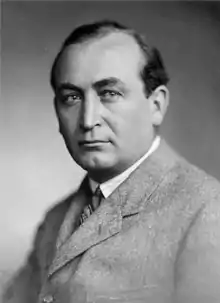
Parliamentary elections were held in Hungary between 31 March and 7 April 1935.[1] The result was a victory for the Party of National Unity, which won 164 of the 245 seats in Parliament. Gyula Gömbös remained Prime Minister.[2]
 | |||||||||||||||||||||||||||||||||||||||||||||||||||||||||||||||||||||||||||||||||||||||||||||||||||||||||||||||||||||
All 245 seats in the Diet 123 seats needed for a majority | |||||||||||||||||||||||||||||||||||||||||||||||||||||||||||||||||||||||||||||||||||||||||||||||||||||||||||||||||||||
|---|---|---|---|---|---|---|---|---|---|---|---|---|---|---|---|---|---|---|---|---|---|---|---|---|---|---|---|---|---|---|---|---|---|---|---|---|---|---|---|---|---|---|---|---|---|---|---|---|---|---|---|---|---|---|---|---|---|---|---|---|---|---|---|---|---|---|---|---|---|---|---|---|---|---|---|---|---|---|---|---|---|---|---|---|---|---|---|---|---|---|---|---|---|---|---|---|---|---|---|---|---|---|---|---|---|---|---|---|---|---|---|---|---|---|---|---|---|
| Turnout | 65.7% | ||||||||||||||||||||||||||||||||||||||||||||||||||||||||||||||||||||||||||||||||||||||||||||||||||||||||||||||||||||
| |||||||||||||||||||||||||||||||||||||||||||||||||||||||||||||||||||||||||||||||||||||||||||||||||||||||||||||||||||||
| |||||||||||||||||||||||||||||||||||||||||||||||||||||||||||||||||||||||||||||||||||||||||||||||||||||||||||||||||||||


 |
|---|
| This article is part of a series on the politics and government of Hungary |
Electoral system
The electoral system remained the same as in 1931. There were 199 openly elected single-member constituencies and 11 secretly elected multi-member constituencies electing a total of 46 seats.[3][4]
Results
| Party | SMCs | MMCs | Total | |||||||
|---|---|---|---|---|---|---|---|---|---|---|
| Votes[a] | % | Seats | Votes[b] | % | Seats | Votes | % | Seats | +/– | |
| Party of National Unity | 718,911 | 49.3 | 150 | 160,563 | 31.2 | 14 | 879,474 | 44.6 | 164 | +15 |
| Independent Smallholders Party | 379,696 | 26.0 | 21 | 7,655 | 1.5 | 1 | 387,351 | 19.6 | 22 | +12 |
| Christian Economic and Social Party | 91,827 | 8.3 | 7 | 83,338 | 16.2 | 7 | 175,165 | 8.9 | 14 | –18 |
| Hungarian Social Democratic Party | – | – | – | 132,052 | 25.6 | 11 | 132,052 | 6.7 | 11 | –3 |
| Hungarian National Socialist Party | 57,544 | 3.9 | 1 | 17,774 | 3.5 | 1 | 75,318 | 3.8 | 2 | New |
| Liberal and Democratic Opposition (ESZDP–NDP) | – | – | – | 72,407 | 14.1 | 7 | 72,407 | 3.7 | 7 | +1 |
| Unofficial Party of National Unity candidates | 53,018 | 3.6 | 6 | 3,231 | 0.6 | 0 | 56,249 | 2.8 | 6 | –2 |
| National Legitimist Party | 36,502 | 2.5 | 1 | 3,523 | 0.7 | 0 | 40,025 | 2.8 | 1 | New |
| National Radical Party[c] | 9,309 | 0.6 | 0 | 7,722 | 1.5 | 0 | 17,031 | 0.9 | 0 | –1 |
| Reform Generation | 9,265 | 0.6 | 1 | 5,213 | 1.0 | 1 | 14,478 | 0.7 | 2 | New |
| Hungarian Agricultural Labourers and Workers Party | 11,004 | 0.8 | 1 | – | – | – | 11,004 | 0.6 | 1 | +1 |
| Christian Opposition | 4,928 | 0.3 | 0 | 4,223 | 0.8 | 1 | 9,151 | 0.5 | 1 | –1 |
| Christian National Front | – | – | – | 8,526 | 1.7 | 1 | 8,526 | 0.4 | 1 | New |
| Party of National Will | 7,431 | 0.5 | 1 | – | – | – | 7,431 | 0.4 | 1 | New |
| National Independence Kossuth Party[c] | 5,648 | 0.4 | 0 | – | – | 1 | 5,648 | 0.3 | 1 | +1 |
| National Agrarian Opposition | – | – | – | 5,320 | 1.0 | 1 | 5,320 | 0.3 | 1 | 0 |
| Free Civic Party | – | – | – | 2,527 | 0.5 | 0 | 2,527 | 0.1 | 0 | New |
| Unified National Party of Workers and Lower Middle Class | – | – | – | 915 | 0.2 | 0 | 915 | 0.1 | 0 | New |
| Hungarian Truth Party | 546 | 0.0 | 0 | – | – | – | 546 | 0.0 | 0 | New |
| Independents | 73,471 | 5.0 | 10 | – | – | – | 73,471 | 3.7 | 10 | –6 |
| Invalid/blank votes | 0 | – | – | – | – | – | – | – | ||
| Total | 1,459,100 | 100 | 199 | 100 | 46 | 100 | 245 | 0 | ||
| Registered voters/turnout | 1,820,266 | 80.2 | – | 654,948 | – | 2,475,214[d] | – | – | ||
| Source: Nohlen & Stöver | ||||||||||
a The number of votes refers to only 146 of the 199 single-member constituencies, as 53 seats were uncontested.[3]
b The number of votes refers to ten of the eleven MMCs.[3]
c The National Radical Party and the National Independence Kossuth Party ran a joint list in one multi-member constituency. It won a single seat, taken by the National Independence Kossuth Party.[3][5]
d The total number of registered voters was 3,005,742; the figure in the table refers to the number of registered voters in the contested seats for which figures are available.[3]
References
- Dieter Nohlen & Philip Stöver (2010) Elections in Europe: A data handbook, p899 ISBN 978-3-8329-5609-7
- Nohlen & Stöver, p940
- Nohlen & Stöver, p920
- Nohlen & Stöver, p933
- Nohlen & Stöver, p930
| Parliamentary elections | |
|---|---|
| European elections | |
| Local elections | |
| Referendums | |